Free, no-obligation plan review. A coordinator replies within one working day (India time). How it works

Safety, without the sales line

Is dental treatment in India safe?

The honest answer: it depends on the dentist and the clinic. Here are the risk facts, the six checks, the red flags and what we can actually do.

  • Registration checked, not assumed
  • Risk facts labelled and dated
  • No promises of a safe outcome
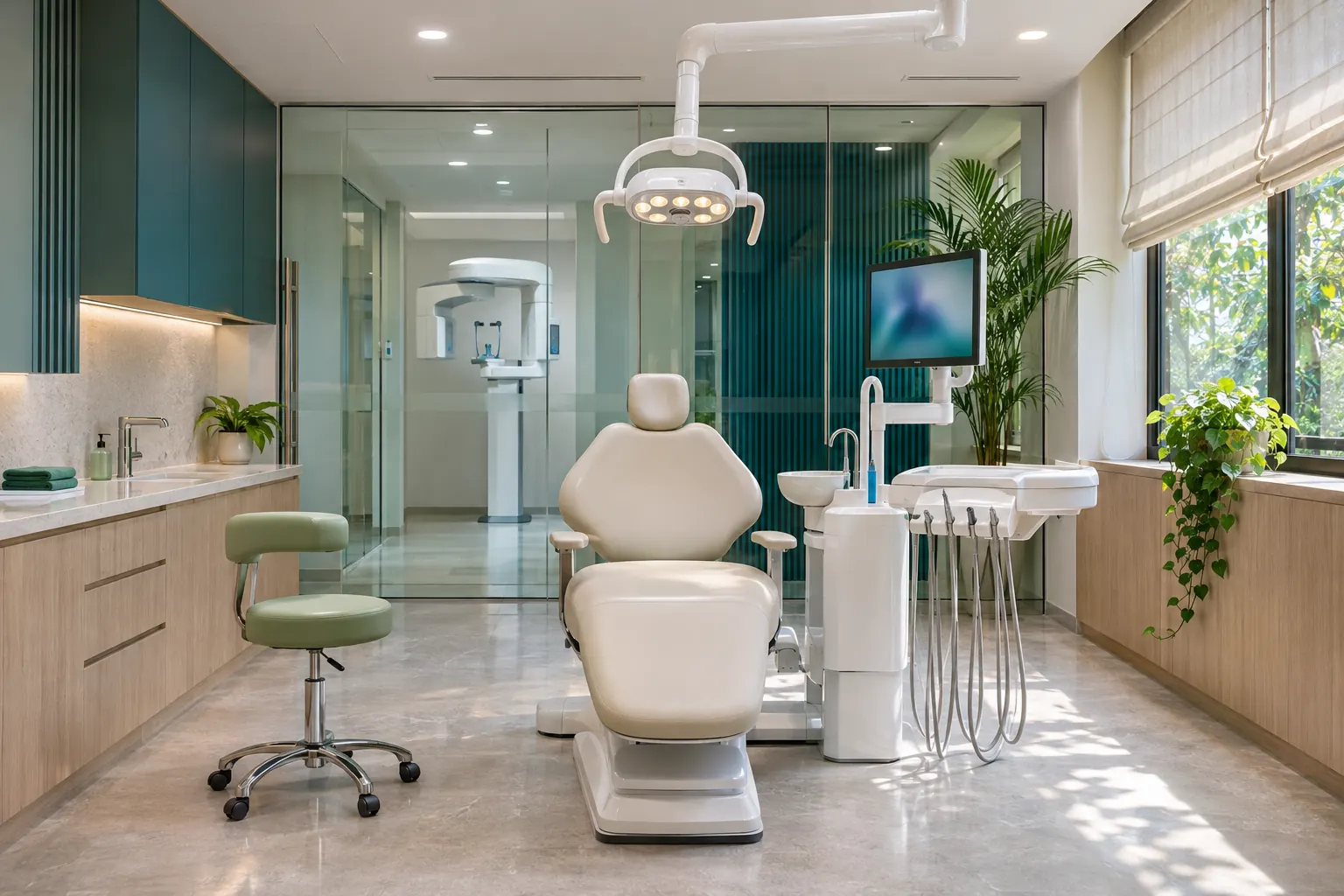
A modern, calm dental treatment room with a dental chair and equipment.

Start with the right question

“Is India safe?” is the wrong question

India is a large country with hundreds of thousands of dental practices. Some are excellent, some are not. A country label cannot tell you which one you are dealing with.

Dental work has risks in every country: bleeding, swelling, infection, a crown that breaks, a filling that needs replacing, or an implant that does not fuse with the bone. The useful question is not “which country is safe?”. It is “who is treating me, what is their training and registration, how do they sterilise instruments, and what happens if something goes wrong after I fly home?”

Those questions can be answered with documents. A registration number can be checked. A written quote can be read. A sterilisation process can be seen. An aftercare plan can be put in writing. That is why this page is mostly a list of checks, not a promise.

We are not a clinic and we do not give medical advice. We explain what to ask and help you get the answers in writing. Your treating dentist is the only person who can advise on your case.

What the evidence says

Two reported findings, explained carefully

These are the risk facts we are allowed to state. Both are labelled, and neither is a rate for India.

Survey of UK dentists · about 2020

86% had treated complications from dental care abroad

This was a British Dental Association survey. It asked UK dentists, not patients. Turkey was the main country involved in the responses, not India. It tells you that complications from treatment abroad reach home dentists. It does not tell you the complication rate for any country, and it is not a rating for India.
ABC Australia investigation · August 2024

One reported complaint against one Indian clinic

The investigation reported a complaint about one clinic, including allegations about reviews. The clinic disputed parts of the report. We do not name it. It is one reported case, not a rate, so it cannot describe a country. It does show why you should check documents and reviews rather than trust a headline.

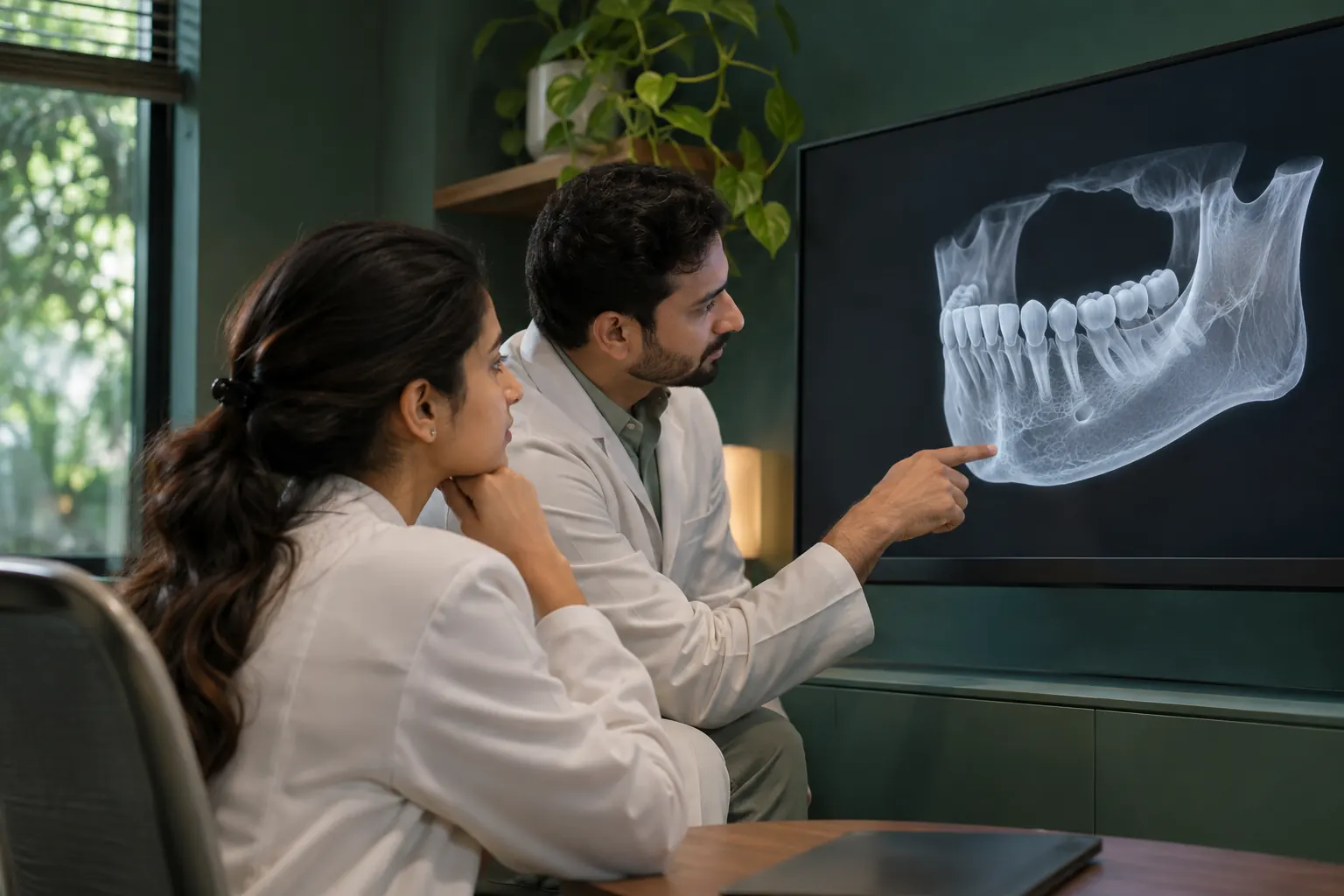
Two dentists reading a jaw scan together on a screen.
Photograph is illustrative.

Sources: British Dental Association survey (about 2020); ABC Australia investigation (August 2024). Both are described as reported, not as a measured rate for India. Figures are dated and are not a prediction for your case.

The six checks

Six things to check before you trust a clinic

You can ask for all six before you pay. A clinic that cannot answer a reasonable question is giving you useful information.

  1. 1

    The treating dentist's registration

    Ask for the dentist's full name, State Dental Council registration number and the year of registration. Each Indian state has a dental council, and the Dental Council of India keeps the Indian Dentist Register. Check the number with the council; do not rely on a certificate on a wall.

    Ask: “Who will do the surgery, and what is their registration number?”

  2. 2

    The clinic's identity and accreditation claims

    Check that the clinic name and address match the documents, the website and the place you will attend. If an accreditation logo is shown, ask which accreditation it is, which site it covers and when it expires. A logo is not a check. A certificate with a site name and a date can be checked.

    Ask: “Which accreditation applies to this building, and can I see the certificate?”

  3. 3

    Sterilisation you can see

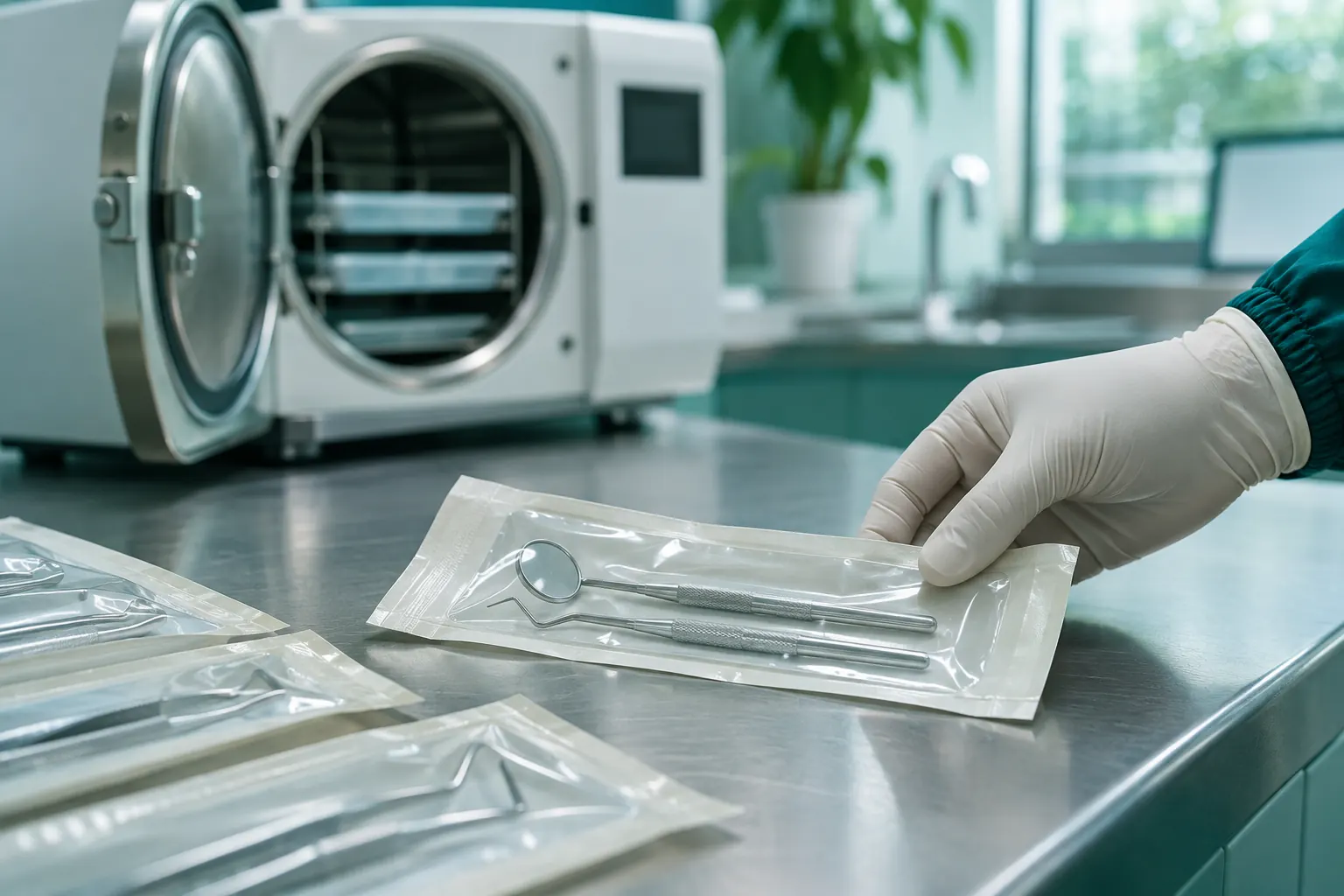
    Instruments should come out of a sealed pouch that is opened in front of you. Ask how the clinic tracks each cycle of its autoclave (the machine that sterilises instruments with steam and pressure). Ask which items are single-use. You do not need to be a dentist to notice whether a clinic is organised about this.

    Ask: “Can I see the sterilisation area and the autoclave records?”

  4. 4

    A written, itemised quote

    The quote should list each item: the implant, the abutment (the part that connects the implant to the crown), the temporary tooth, the final crown, scans, any extraction or bone graft, medicines and review visits. It should say what can change after examination and that extra charges need your written approval.

    Ask: “What is not included, and what could add to this total?”

  5. 5

    The implant brand, model and lot number

    Ask which implant system will be used and for the label from the implant box. A genuine implant passport records the manufacturer, model, lot or serial number and the date. This matters if you need a repair at home: your home dentist can identify the parts. A clinic that cannot tell you what it puts in your jaw has not given you a plan you can check.

    Ask: “Will you give me the implant passport with the lot number?”

  6. 6

    Written aftercare and warranty terms

    The aftercare plan should name who to contact, what to do in the first days, when to seek urgent care and when reviews are due. The warranty should name the legal entity that backs it, which parts are covered, how long for, what voids it and how to claim from abroad. “Lifetime guarantee” without those details is not a warranty you can use.

    Ask: “Which company or clinic is legally responsible for this warranty, and what voids it?”

Dental instruments arranged beside a sterilisation autoclave.

Red flags

Eight signs to slow down

None of these proves a clinic is bad. Each one is a reason to ask another question before you pay or travel.

Pressure to pay today. A real plan can wait for you to read it. Countdown offers and “today only” prices are sales pressure, not clinical urgency.

No named dentist or registration number. You are entitled to know who will do the work.

A firm price without an examination. A quote before anyone has seen your mouth or scans is an estimate, not a diagnosis.

“Lifetime guarantee” with no terms. Ask which legal entity, which parts, how long and what voids it.

No aftercare contact. If the plan ends at the airport, the plan is incomplete.

Reviews you cannot trace. Look for reviews tied to a real profile or a named patient who consented. We do not publish reviews we cannot verify.

Cash only, or payment to a person rather than the clinic. Ask for the clinic's bank details and a receipt in the clinic's name.

No records for you to take home. You should leave with your treatment records, scans and implant details.

What we do

Our part, in plain terms

We cannot make a clinic safe. We can make the checks and the paperwork harder to skip.

We do

  • Ask for the treating dentist's State Dental Council registration before listing a clinic.
  • Ask for an itemised written quote, not a headline price.
  • Ask for written warranty and aftercare terms, including the legal entity.
  • Ask for the implant brand, model and lot number, and the implant passport.
  • Ask how instruments are sterilised and which items are single-use.
  • Send your details only to a clinic you agree to.
  • Tell you plainly what we could not verify.

We do not

  • Diagnose you or recommend a treatment.
  • Guarantee an outcome or a clinic's work.
  • Call a clinic “safe” because it is in our process.
  • Remove a negative experience from the record.
  • Take payment for treatment on this site.
  • Give emergency care or medical advice.

The honest limits

What no check can remove

A checked clinic is not a guarantee. This is the part a sales page usually leaves out.

Even with every document in place, treatment can go wrong. An implant can fail to fuse with the bone. An infection can appear after you fly home. A crown can break. A clinic can change its staff. A warranty can be harder to use from another country than it looked on paper.

Travel adds risks of its own: long flights, jet lag, a different climate, and the fact that you are away from your usual doctor. If you have a heart condition, uncontrolled diabetes, a bleeding disorder or take blood-thinning medicine, ask your own doctor before you plan treatment abroad. Only your doctor can advise on your fitness to travel and to have surgery.

What the checks do is reduce the chance that you are surprised. They give you a name, a number, a written total and a route to ask for help. That is worth having, but it is not the same as a promise.

Straight answers

Safety questions, answered

Plain answers to the questions people ask before they trust a plan. If yours is not here, ask us directly.

Is dental treatment in India safe?
It depends on the dentist, the clinic and your own health. India is not one standard of care. Some clinics are excellent and some are not. Check the treating dentist's registration, the sterilisation process, the written plan and the aftercare route. No one can promise a safe outcome, in any country.
Are Indian dentists qualified?
Indian dentists are registered with a State Dental Council, and the Dental Council of India keeps the Indian Dentist Register. That does not tell you whether a particular dentist is right for your case. Ask for the name, registration number, council and year, then check them with the council.
What complications should I ask about?
Ask your dentist to list the risks for your case. Useful questions include bleeding, swelling, infection, implant failure, nerve injury, sinus problems and what happens if a crown breaks. We do not give medical advice; the treating dentist should explain the risks in words you understand.
Can I trust online reviews of clinics?
Some reviews are genuine and some are not. A review you cannot trace to a real profile is weak evidence. We do not publish reviews we cannot verify. Ask for the clinic's complication and complaint process, and speak to a named dentist before you pay.
Is a private clinic better than a government one?
Not automatically. The dentist, the equipment and the follow-up matter more than the sign above the door. Ask the same six questions wherever you go, and ask who will actually do the work.
Should I have treatment at home instead?
Sometimes yes. Compare the total cost including flights, hotel, time off and a second trip. Compare the follow-up options at home. If your case is complex, a local specialist may be the better choice, even at a higher price.
Can Aarogic tell me whether I am fit to travel?
No. Only your doctor can advise on fitness to fly or to have surgery. We can help you plan dates and ask the clinic the right questions. We cannot give medical advice or clear you for treatment.

Written by the Aarogic editorial team. How we write and check pages.

Last updated

Free plan review

Get the checks in writing

Tell us what you are considering. We will explain which documents to ask for and help you read the answers, without pressure to book.

Two dentists reading a jaw scan together on a screen.
Photograph is illustrative.
WhatsAppFree plan